Multilingual AI Search vs. Multilingual SEO: key differences explained


Multilingual SEO ranks translated pages in local language search results. Multilingual AI search is about whether AI engines, like ChatGPT, Gemini, and Perplexity cite you, regardless of what language your website is in. A website with no translations can still get recommended in French, German, or Spanish AI search results because the language your website is in weighs far less than the AI's citation criteria. I ran an experiment in AI search with a brand to see what mattered when it came to an international strategy.
The basics:
What Is Multilingual SEO?
Multilingual SEO is the practice of ranking on Google (or other search engines) in a language other than your primary one. If your site is in English, multilingual SEO means showing up for French, Spanish, or German queries too. It typically requires:
- Translated website content
- Local keyword research
- Hreflang tags
- Time for Google to index the localized pages
What Is Multilingual AI Search?
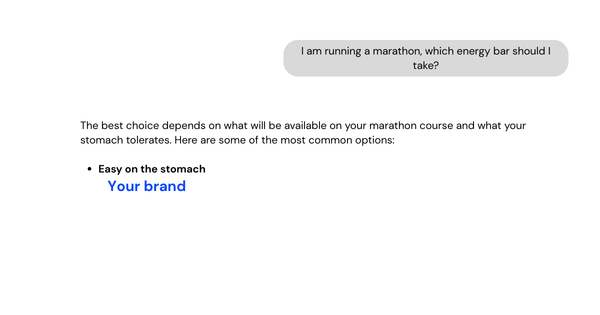
Multilingual AI search happens when a user asks an AI a question in their own language and the AI recommends specific brands or products in response.
Here's how Claude itself defines it: multilingual AI search is how AI-powered search and answer engines process queries and generate answers across different languages including how they source, translate, weight, and cite content that isn't in the query's original language.
That last part is the key distinction: the AI can pull from and recommend something in a language different from the one the user asked in.
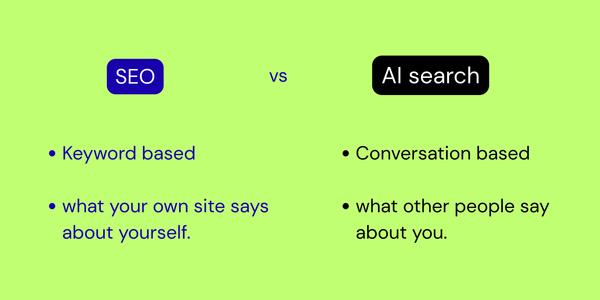
Before AI search, the playbook was simple: define local keywords, translate the site, add hreflang tags, and let Google index it. Google's ranking logic didn't have "thinking criteria" weight came down to keyword volume, domain authority, and other well-understood SEO levers.
AI search works differently. AI engines apply their own criteria to decide what to recommend, and a website's language, or whether it matches the query's keywords, carries far less weight than it used to. That's a significant shift from how ranking has worked for the past two decades.
The experiment:
Case Study: Asking for recommendations in different languages from an untranslated brand
To test this, I ran an experiment with a client in the sports nutrition space who was preparing to enter the German market. Translation would normally be the obvious first move, but instead of assuming, I decided to test it.
The setup:
- Brand tested: Naak, a very young competitor with no translated content. English only.
- Tool used: A GEO tracking tool I coded for this client
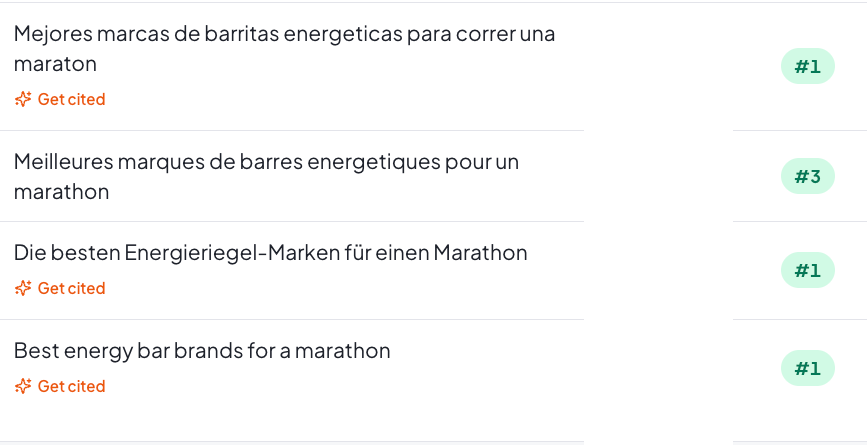
- Method: The same prompt, translated into French, German, and Spanish, run against AI search to check whether Naak was recommended in each local market
What I was testing: Whether an English-only brand could still get cited in AI search results delivered in other languages despite having no localized content at all.
The result:
Naak got cited consistently across Gemini and ChatGPT for the query "Best energy bars for a marathon" in 4 different languages. This is a huge breakthrough compared to how Google search works, as a brand with no translations would not get cited in a local language query.
In the case of Naak, the brand got cited because it shows
1.Market presence: showing reviews in the local language. Naak split their website by region, so if I am a shopper in France I see reviews from French users. They also show the number of stores that sell their product in France.
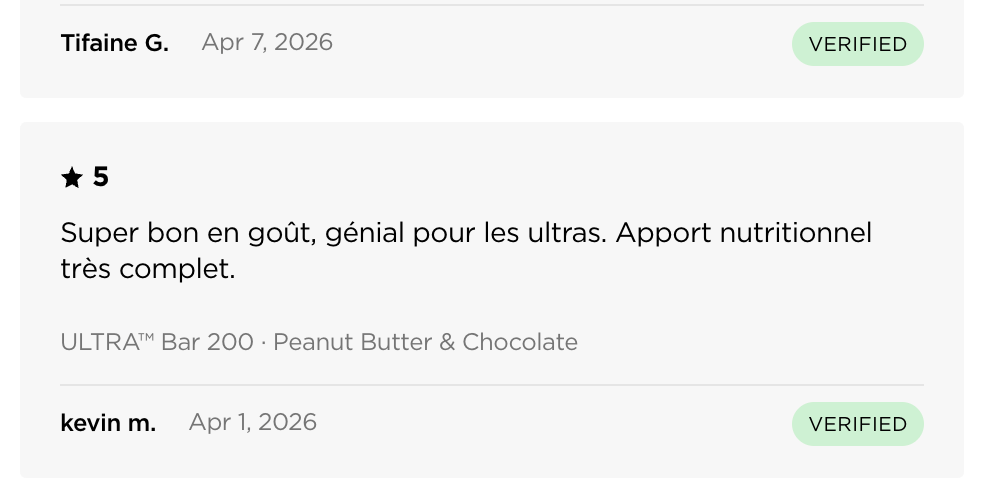
2.Third-party mentions: The sponsor local athletes who talk about them to the media and also get mentioned in specialized blogs like https://planetetrail.com/
AI doesn't give so much weight anymore to high domain authority websites, but to specialized websites that are perceived as very high authority figures in a specific field, related to the user's query.
*Naak.com has a translated version in French: naak.com/fr which is aimed specifically at the Quebec region as translations there are required by law and does not impact results for French users.
Will you appear on multilingual AI search you if you optimized for multilingual SEO?
The answer is no. Having good SEO is a base, but it doesn't guarantee showing up in local language results. AI doesn't care about hreflangs or translated websites; Google does. As the Naak example shows, AI search gives much more weight to "other expert people talking about you". Ai search is now conversation and not keyword based, AI crawler bots disregard hreflang tags and translation is a nice to have to convert users but it's not a must to
If you want to prioritize, the best strategy to adopt to be visible in new markets is:
Showing market presence: local user reviews by region (not mixed languages and areas in your product reviews) and local presence. An address, distribution points.
Getting third-party mentions from local experts: Remember that these don't need to be high DA websites. They just need to be experts in their field and have an online presence. The best is to see the sources cited in the question for a specific region and contact those publications.
In summary
Multilingual SEO vs. Multilingual AI Search: the difference
| Multilingual SEO | Multilingual AI Search | |
|---|---|---|
| Goal | Rank in local-language results | Get cited as a source in AI answers |
| Language requirement | Translated content required | Not required — original-language content can be cited |
| Key ranking factors | Keyword volume, domain authority, on-page optimization | Citation-worthiness criteria (relevance, trust signals, third-party mentions) |
| Process | Translate → optimize keywords → wait for indexing | Untranslated content can still surface if the AI judges it citation-worthy |
Conclusion
Multilingual AI search and multilingual SEO are solving different problems. SEO gets your pages indexed in a language; AI search gets your brand recommended in a conversation, and those are governed by different rules. The Naak example makes the point clearly: a brand with minimal localized content still earned citations across French, German, and Spanish AI search results, not because it translated its way there, but because it showed up in ways AI engines actually weigh: regional market presence and third-party validation from people already trusted in that space.
That's the shift worth internalizing. For the past two decades, "going international" meant translate, tag, index, wait. AI search rewards a different kind of visibility: being present enough in a market that local users are already talking about you, and being credible enough that niche, trusted voices are willing to mention you. In AI search, visibility comes first.